


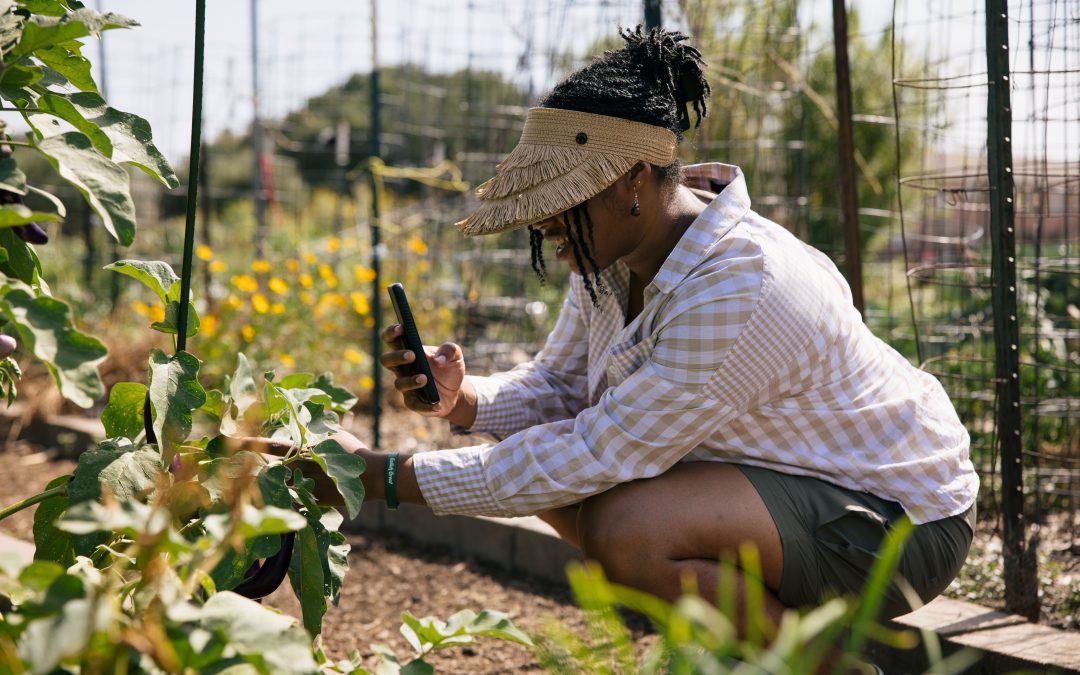


In 2006, the Lowcountry Food Bank (LCFB), which serves coastal SC, launched an innovative project to work with local, small farm enterprises called Growing Food Locally (GFL). From the beginning the project focused heavily on partnerships with historically underserved producers on the sea islands of SC. A dual purpose initiative, GFL aimed to help the farmers grow their businesses, while providing fresh, nutritious, and culturally appreciated foods to neighbors.
Among the first partners of the project were a handful of Gullah farmers from St. Helena Island, SC. The Gullah Geechee people are descendants of people from coastal west Africa who were enslaved and transported to plantations in the American South, where they used their knowledge and expertise to grow cash crops such as rice, cotton and indigo for wealthy landowners and traditional African crops like okra and peas for food.
The food ways of the Gullah people are an important part of the fabric of modern life in Coastal SC, and in many ways are the basis and lifeblood of the tourism industry for which Charleston and the surrounding islands are famous, Charleston is a true “Foodie” destination. You can learn more about the Gullah culture here: https://www.beaufortsc.org/things-to-do/gullah-culture/
While Gullah foodways and agriculture are important to tourism and a vital part of local culture, Gullah growers have not traditionally had access to financial resources, markets or the appreciation that larger scale growers and their white counterparts have had for decades. In 2010, several growers on St. Helena Island, SC came together to form an agricultural cooperative, the Gullah Farmers Cooperative Association, for the purpose of advancing economic opportunity for growers of Gullah heritage in the region. https://www.gullahfarmers.org/ After much planning, the Coop secured a building in 2021 and started wholesale sales on behalf of their members in 2022. In 2023, as part of the first cohort of the Feeding America Food Security Equity Impact Fund (FAFSEIF), the Gullah Coop was given a much-needed boost of investment to expand service to additional farm families.
While the FAFSEIF provided support for infrastructure and capacity building, the USDA’s Local Food Purchase Agreement (LFPA) funds came along at just the right time to provide a stable market for the most vulnerable of the Coop’s members. The LCFB has been able to tell the story of the Gullah Farmers Cooperative and leverage the positive outcomes of the FAFSEIF and LFPA to secure additional private support for the continuation of the partnership after the anticipated end of the LFPA program.
The power of this partnership is more than simply purchasing produce to meet the needs of our neighbors, which is important, but this project also helps to preserve local foodways and build a more resilient and robust local food system. The work represents a shift from traditional food banking and traditional fundraising. The LCFB is striving to tell donors and other stakeholders the importance of cultural preservation, the capabilities of our neighbors to build solutions that benefit us all, and how they can be part of much needed systemic change.
About the Lowcountry Food Bank: Feed. Advocate. Empower.
The Lowcountry Food Bank serves the 10 coastal counties of South Carolina and distributed more than 45 million pounds of food in 2024. The Lowcountry Food Bank helps fight hunger by distributing food to nearly 240 partner agencies including on-site meal programs, homeless shelters and emergency food pantries. The Lowcountry Food Bank advocates on behalf of those who experience hunger and helps empower people to make healthy and nutritious food choices. For more information, visit the Lowcountry Food Bank website.
Recent Comments