


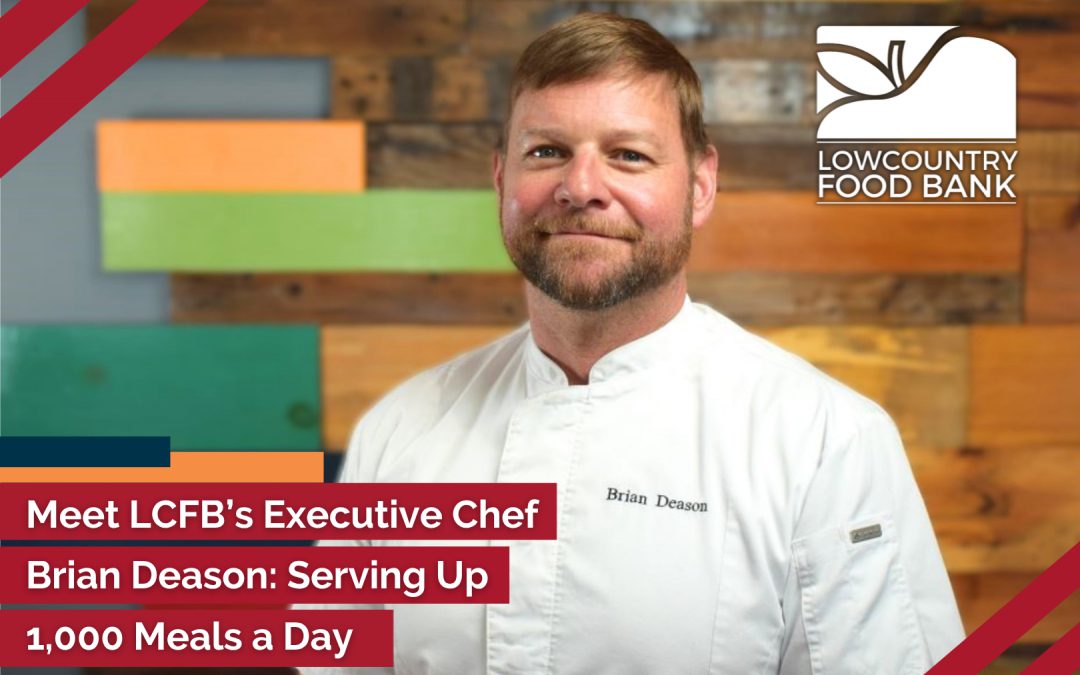
Meet Brian Deason, our Lowcountry Food Bank Chef Behind 1,000 Meals a Day
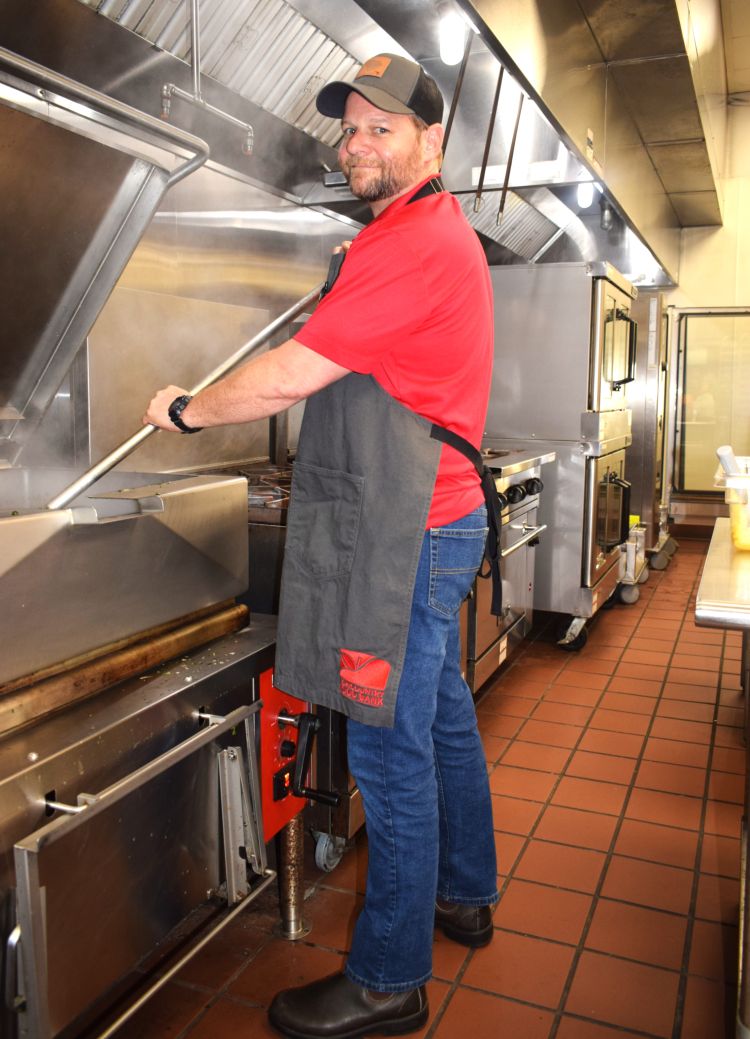
Brian Deason is the Executive Chef at Lowcountry Food Bank, where he leads menu development, large-scale meal production, and nutrition compliance for programs serving approximately 1,000 meals each day.
A graduate of Johnson & Wales University with degrees in Culinary Arts and Food Service Management, Brian also expanded his culinary perspective through studies in Florence, Italy. Over the past 20 years, he has worked in restaurants, resorts, catering operations, remote camps, and high-volume institutional food service.
Throughout his career, Brian has focused on building efficient kitchen operations that consistently deliver high-quality meals. Today, he brings that expertise to Lowcountry Food Bank, helping streamline production, expand meal capacity, and ensure neighbors across the Lowcountry have access to nutritious meals they can count on.
Are you enjoying serving neighbors? Why is it important to our community?
Absolutely. It’s meaningful knowing the meals we prepare are going directly to neighbors who need them. Food insecurity is a reality for many families in our community, and having access to nutritious meals can make a real difference in someone’s day—and in their overall well-being.
What have you improved or changed in the kitchen since arriving at Lowcountry Food Bank?
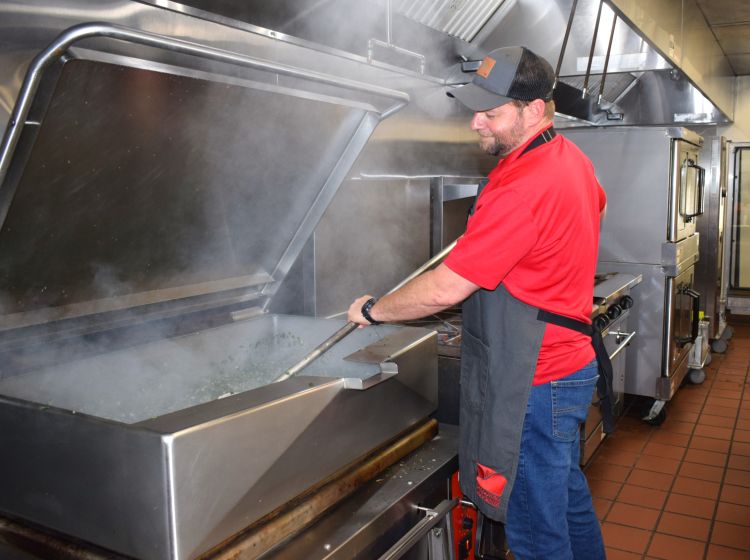
We’ve focused on making our kitchen more efficient so we can prepare even more nutritious meals without sacrificing quality. We’ve improved our production flow, strengthened our systems, and aligned meals more closely with nutrition needs while keeping them practical to prepare and distribute. Every improvement helps us serve our neighbors more effectively.
Who do you prepare meals for?
We prepare meals for children and older adults facing food insecurity. Meals are distributed through partner agencies and community programs—some are served fresh through after-school programs, while others are packaged and frozen to meet different community needs.
How do you know what people want to eat?
We learn from partner agencies and occasional surveys, while also following nutrition guidelines and preparing meals that work well for large-scale production. We’re always looking for ways to improve based on what we learn.
What do you want people to feel when they eat your meals?
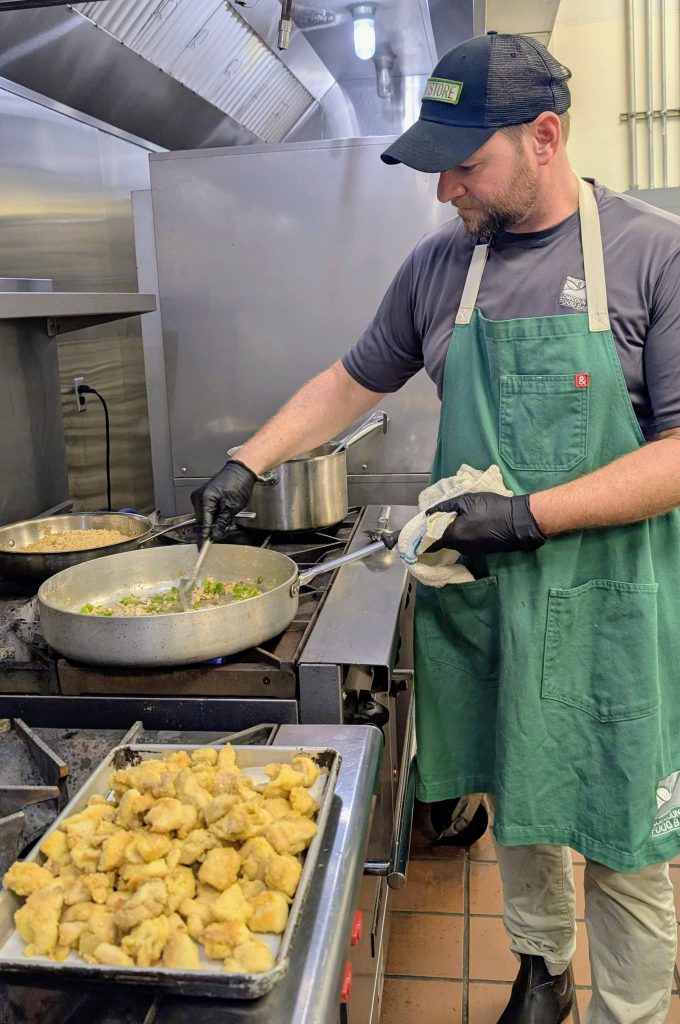
Comfort and dignity. Even though we’re preparing meals on a large scale, the goal is still the same: we want every person to feel cared for and know they can rely on us. If a meal helps ease someone’s worries, even for a little while, we’ve done something important.
How important are kitchen volunteers?
They’re essential. We couldn’t operate at this level without them. They help keep production moving and bring positive energy into the kitchen every day. Their dedication allows us to prepare and distribute more meals to our neighbors.
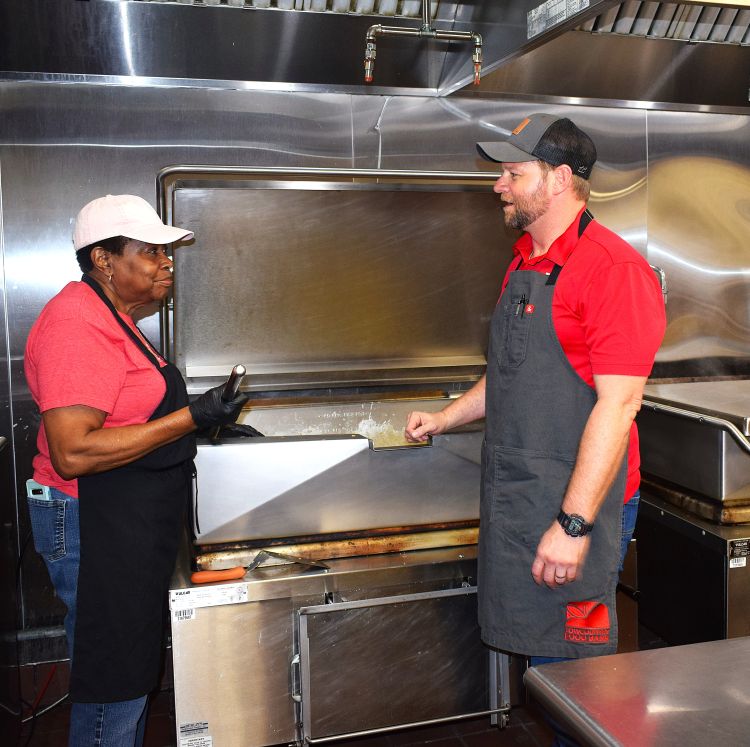
How important is Mary Beth Fechhelm’s role as Kitchen Associate?
Very important. Strong coordination keeps everything running smoothly, and Mary Beth helps keep our kitchen organized, efficient, and focused on production. Her work supports the entire team and makes a real difference in what we’re able to accomplish each day.
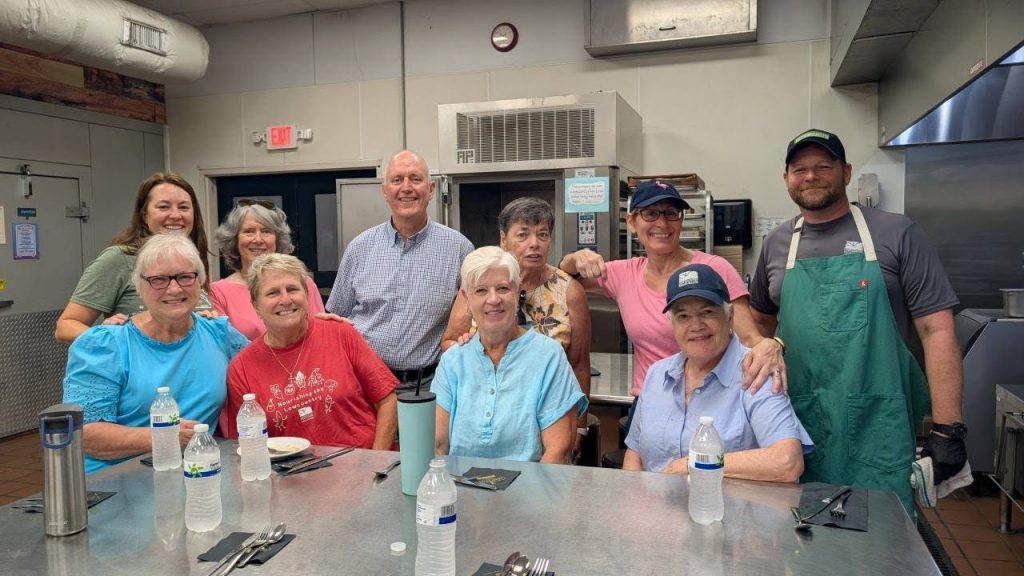
Chef Brian and Mary Beth during an appreciation event for kitchen volunteers.
Is there anything else you’d like readers to know?
At the end of the day, this work is about more than food. It’s about giving people one less thing to worry about and making sure our neighbors have something reliable they can count on. Every meal represents care, dignity, and hope.
About the Lowcountry Food Bank: Feed. Advocate. Empower.
Lowcountry Food Bank serves the 10 coastal counties of South Carolina and distributed more than 42 million pounds of food in 2025. The Lowcountry Food Bank helps fight hunger by distributing food to nearly 240 partner agencies, including on-site meal programs, homeless shelters, and emergency food pantries. The Lowcountry Food Bank advocates on behalf of those who experience food insecurity and helps empower people to make healthy and nutritious food choices. For more information, visit the Lowcountry Food Bank website.
Recent Comments